
DHA Resistance Explained: Why Your Fake Tan Isn’t Developing (And How to Fix It)

DHA Resistance Explained: Why Your Fake Tan Isn’t Developing (And How to Fix It)
If you’ve ever applied fake tan and felt like it just doesn’t develop the way it used to, you’re not imagining it. Many people experience what’s commonly referred to in the tanning industry as DHA resistance. While it sounds technical, it’s actually much simpler than it seems.
Understanding what DHA resistance is, why it happens, and how to correct it can make a noticeable difference to your tanning results.
What Is DHA and How Does It Create Colour?
DHA, short for dihydroxyacetone, is the active ingredient in almost all fake tan products. It’s a sugar-derived compound that reacts with amino acids in the outermost layer of your skin, known as the stratum corneum. This chemical process, called the Maillard reaction, creates brown pigments on the surface of the skin that give the appearance of a tan.
Unlike sun tanning, this reaction does not involve melanin or UV exposure. The colour forms only on dead skin cells and fades naturally as those cells shed over time. This is what makes fake tan a safer alternative to tanning in the sun, but it also means that the condition of your skin’s surface plays a major role in how well your tan develops.
What People Mean by “DHA Resistance”
DHA resistance isn’t a medical condition and it doesn’t mean your skin has permanently stopped responding to fake tan. It’s a term used to describe situations where a tan develops lighter than expected, fades quickly, or doesn’t deepen even when darker shades are used.
From a scientific point of view, the skin doesn’t become immune to DHA. Instead, the chemical reaction that creates colour becomes less effective. This usually comes down to changes in the skin’s surface rather than the ingredient itself.
Why Fake Tan Sometimes Stops Developing Properly
One of the biggest factors influencing DHA performance is the condition of the skin’s outer layer. DHA needs direct contact with amino acids on dead skin cells to react properly. When that surface is compromised, the reaction weakens.
A lack of proper exfoliation is one of the most common causes. Old tan, dead skin cells and residue from moisturisers, oils or body products can build up over time, creating a barrier that prevents DHA from reaching the skin effectively.
Hydration also plays a role. Very dry or flaky skin often develops patchy or lighter colour because the reaction doesn’t occur evenly. On the other hand, skin that is heavily coated in thick moisturisers or oils can temporarily block DHA from contacting the skin at all.
Tanning too frequently can also contribute. When fake tan is applied again and again without giving the skin time to naturally shed old layers, colour can actually appear duller over time rather than deeper.
Sometimes, the simplest solution is taking a short break from tanning altogether. When you tan frequently, layers of DHA-reacted skin can build up faster than your skin naturally sheds. Stepping back for a week or so allows those layers to exfoliate on their own, giving DHA fresh skin cells to react with again. While it may feel counterintuitive, a brief reset is often exactly what your skin needs to restore deeper, longer-lasting colour.
Is DHA Resistance Permanent?
No. This is one of the most important things to understand.
Because DHA only reacts with dead skin cells, any reduced responsiveness is temporary. Once those cells shed and the skin surface is refreshed, DHA is able to react normally again. What feels like resistance is really just a sign that the skin needs a reset.
How to Improve Results If You’re Experiencing DHA Resistance
Giving your skin time to reset is often the first step. A short break from tanning, combined with gentle exfoliation, helps clear away old tan and surface build-up.
Exfoliation is essential before your next application. Removing dead skin and leftover product residue allows DHA to reach the skin evenly, which can dramatically improve colour development.
Hydration should be balanced rather than heavy. Moisturising daily in the days leading up to tanning helps keep the skin healthy, but on tanning day the skin should be clean and free from thick lotions or oils. A light moisturiser on very dry areas such as elbows, knees and ankles is usually enough.
Timing matters as well. Avoid very hot showers immediately before tanning, as they can affect how evenly the tan develops. After application, allow the tan to develop for the recommended time rather than leaving it on longer than advised, as overdeveloping doesn’t improve colour and can sometimes worsen results.
If light development continues even after proper prep, adjusting your shade or DHA strength can help, but only once the skin surface is properly prepared.
What About Spray Tans?
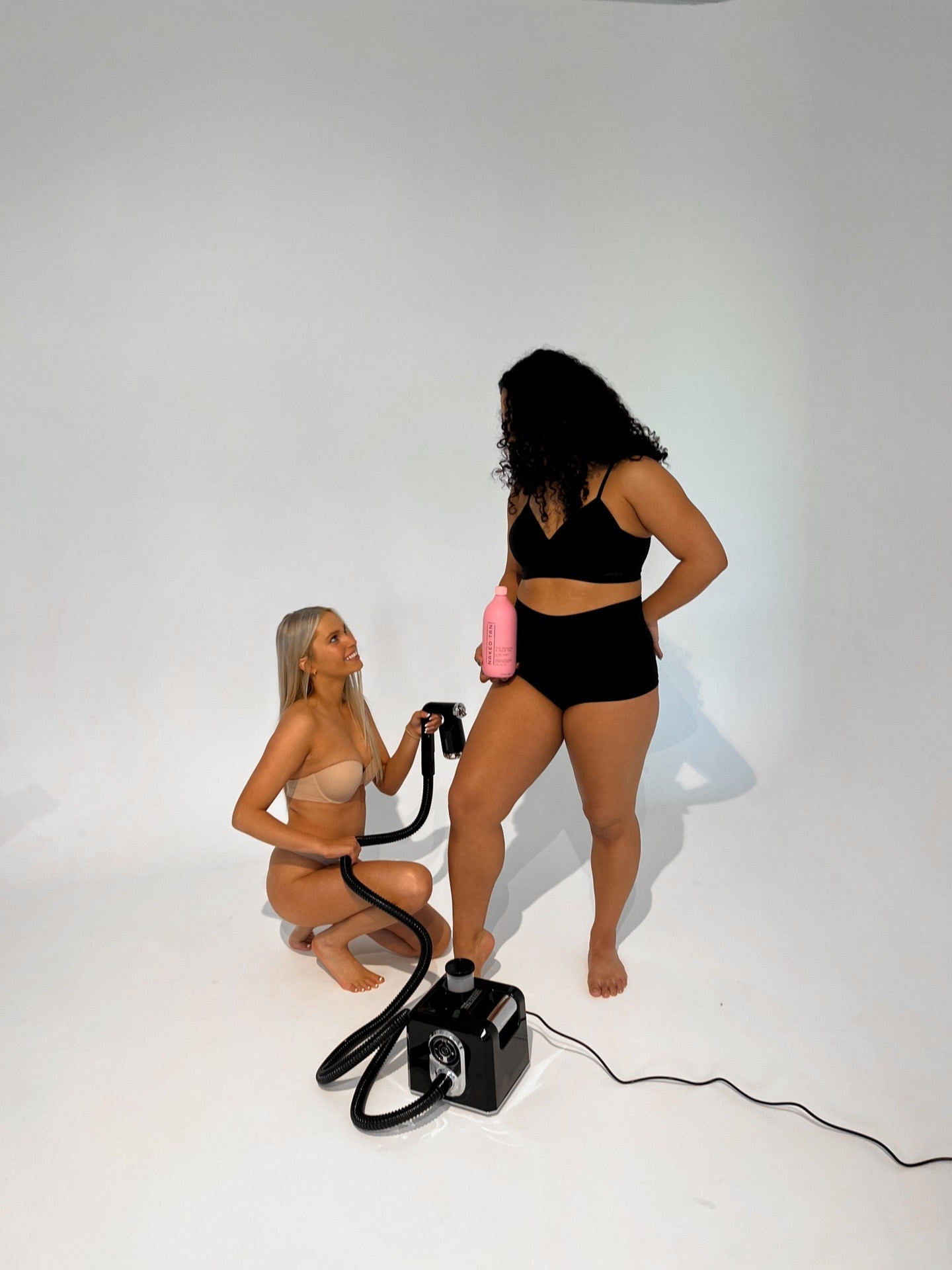
DHA resistance can occur with spray tans too. Clients who tan frequently without exfoliating, or who don’t prepare their skin correctly, may notice lighter or uneven results over time. The science is the same regardless of application method. The condition of the skin surface determines how well DHA reacts.
This is why professional spray tan technicians place such importance on prep and aftercare.
Clearing Up Common Misconceptions
DHA resistance does not mean fake tan no longer works for you, and it does not mean you need to tan more often. Applying extra product or layering tan repeatedly usually makes the issue worse, not better.
In most cases, improving exfoliation, hydration, timing and allowing the skin to rest is enough to restore consistent results.
The Takeaway
DHA resistance isn’t a flaw in your skin or a failure of fake tan. It’s simply a sign that your skin needs a reset. Once the surface is clean, balanced and properly prepared, DHA can react as intended and deliver the even, long-lasting colour you expect.
Understanding how fake tan works at a skin level removes the guesswork and helps you get better results every time.
Comments