
Tanning Peptides, Injections and Nasal Sprays: What You Need to Know Before Using Them

Tanning Peptides, Injections and Nasal Sprays: What You Need to Know Before Using Them
Tanning peptides, injections and nasal sprays are becoming increasingly visible online and in some beauty and “wellness” settings, including certain medi-spas. They are often marketed as a way to tan without sun exposure, sometimes described as a faster or deeper alternative to traditional tanning methods.
The problem is that many of these products are unapproved and unregulated, which creates real safety risks. In Australia, the TGA has specifically warned consumers not to use tanning products containing melanotan and has stated that people can be at risk of serious health problems.
This article explains what these products are, what they claim to do, and why health authorities consistently warn against them.
What are “tanning peptides”?
“Tanning peptides” commonly refers to melanotan products, often described as melanotan I or melanotan II.
They are marketed as substances that stimulate melanocytes, the pigment-producing cells in your skin, to increase melanin production. Melanin is the pigment that gives skin its colour and provides some natural protection against UV radiation.
The key issue is not just what they claim to do. It is whether the product is approved, quality-controlled, correctly labelled, and used under lawful medical oversight.
The marketing claims versus the regulatory reality
These products are commonly sold as:
-
Injectable peptides
-
Nasal sprays
-
“Melanin boosters” or “tanning hormones”
-
“Research” products that are still promoted for cosmetic tanning
In Australia, the TGA explicitly states that it is illegal to supply tanning products containing melanotan without a doctor’s prescription, and these restrictions apply regardless of form, including sprays, tablets, injections, creams, or any other format.
The TGA also states it is illegal to advertise melanotan to the Australian public.
“But a medi-spa sells it” does not mean it is approved or regulated
This is the part many people miss.
Australian health practitioner regulators are clear that practitioners must comply with TGA requirements. Ahpra’s cosmetic procedure guidance notes that administering and or advertising unapproved and or unregistered products is unlawful, except in limited exempt circumstances.
Ahpra’s consumer-facing information also stresses that cosmetic injectables are regulated and must be approved for supply in Australia by the TGA.
So if a clinic is offering a tanning peptide product that is not approved and is being marketed to the public, that should be treated as a red flag, not reassurance.
How to check whether something is approved in Australia
A simple rule: if it is a therapeutic good approved for supply in Australia, it should be on the Australian Register of Therapeutic Goods (ARTG).
The TGA explains that consumers can search the ARTG using product name, sponsor, active ingredient name, or ARTG number.
If a product being offered cannot be found on the ARTG, or is being sold as “for research only” while clearly intended for personal use, you are likely looking at a product that has not been assessed for safety, quality, and performance in the way approved products are.
This matters because “unapproved” often also means:
-
No reliable manufacturing standards
-
No confirmed purity
-
No verified dosage accuracy
-
No guarantee the ingredient listed is what you are getting
Why “unregulated” is not just a legal issue, it is a safety issue
When substances are sold through informal supply chains, quality control becomes the biggest concern.
Regulators and experts have warned that the current market for injectable peptides can involve overseas sourcing and grey-market supply, with products sometimes labelled “not approved for human use” or “research only” to bypass scrutiny while still being promoted for cosmetic outcomes.
Even if the label and marketing looks professional, the consumer often has no way to verify:
-
Sterility
-
Contaminants
-
Correct concentration
-
Whether the compound is correctly identified
This is exactly why regulation exists.
Reported side effects and health concerns
Health authorities and medical experts have raised concerns about melanotan products and related tanning sprays.
Reported and discussed risks include:
-
Nausea and vomiting
-
Flushing
-
Headaches
-
Increased blood pressure
-
Changes in pigmentation, including darkening of existing moles or new pigmented spots
There are also ongoing concerns around skin cancer risk and the effects of stimulating melanocytes, particularly in uncontrolled, non-medical contexts. Australian medical experts have publicly warned about serious side effects and have raised concerns about potential links to melanoma.
Major health organisations also warn against melanotan injections and frame bottled or spray-on fake tan as the safer cosmetic option compared with UV tanning and illegal injections.
The myth that peptides are a “safe tan” or sun protection
Another dangerous misconception is that internal tanning methods reduce the need for sun protection.
Even if melanin increases, that does not make someone immune to UV damage. People can still burn and still accumulate DNA damage from UV exposure.
Any “tanning method” that leads someone to reduce sunscreen use increases risk.
Why health authorities consistently warn against these products
In Australia, the clearest reasons are:
-
Products containing melanotan for tanning are not approved for use as consumer tanning agents
-
Supplying melanotan products without a doctor’s prescription is illegal
-
Advertising melanotan to the public is illegal
-
Unregulated products have no assurance of quality, safety, sterility, or correct dosing
Safer alternatives for a tan look
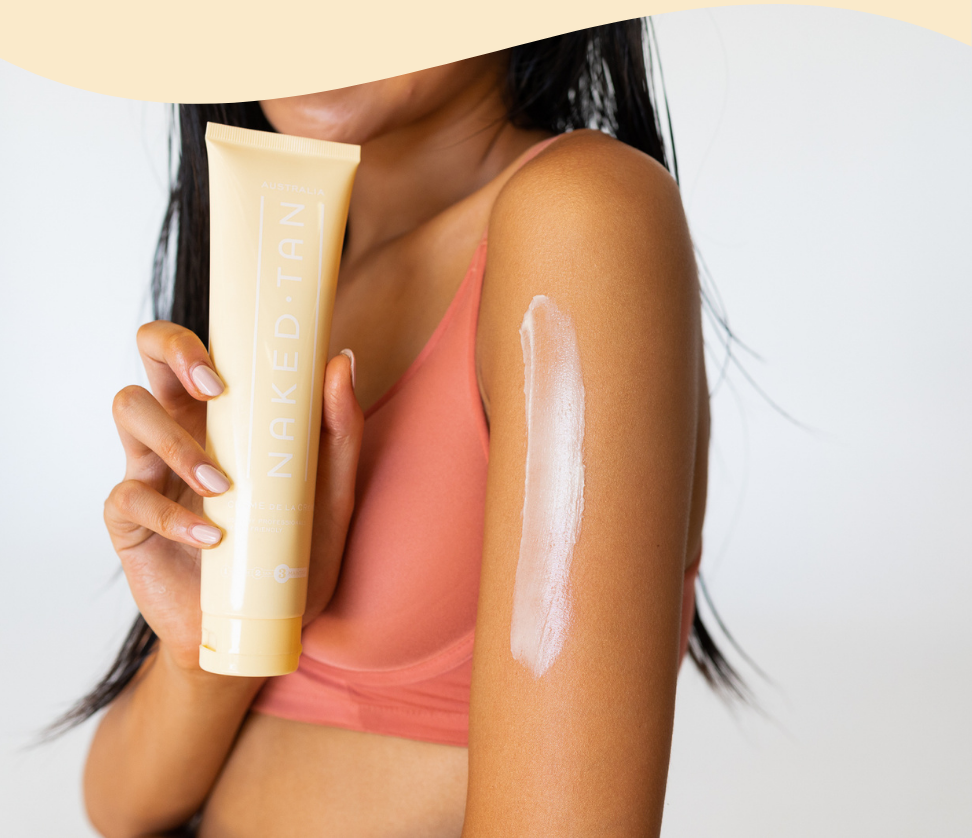
If the goal is a bronzed look without UV exposure, topical sunless tanning products remain the safer cosmetic option. They work on the outermost layer of the skin rather than altering systemic biological processes.
That difference matters.
Final thought
When a tanning trend requires needles or unapproved substances, the risk profile changes completely.
If a product is being offered through a medi-spa or wellness clinic, it should still meet Australian regulatory requirements. Clinic setting is not a substitute for approval, quality control, or legal supply pathways.
If you want a bronzed look, there are ways to do it that do not involve unregulated drugs.


Comments