
To Tan the Face or Not to Tan the Face?
To Tan the Face or Not to Tan the Face?
When it comes to self-tanning, the face is often the most debated area. Some people tan it every time. Others avoid it completely. Many are unsure what the best approach actually is.
The truth is that facial skin behaves very differently to the rest of the body, which means it needs a more considered approach when it comes to tanning.
Why the Face Is Different to the Body
Facial skin is thinner, more sensitive, and exposed to far more external and internal factors than body skin.
It is:
-
Washed more frequently
-
Exfoliated more often
-
Regularly exposed to active skincare ingredients
-
More prone to irritation and congestion
Because of this, facial skin tends to fade faster and react more easily to traditional self-tanning products.
This is why tanning the face requires more control than tanning the body.
Why Traditional Self-Tan Is Not Always Ideal for the Face
Many self-tanning products are formulated primarily for body use. When applied to the face, they can sometimes lead to issues such as:
-
Uneven fading
-
Patchiness around the nose and mouth
-
Increased sensitivity or congestion
-
Disruption to the skin barrier
This is especially true for those who use active skincare ingredients like exfoliating acids, retinol, or prescription treatments. These ingredients speed up cell turnover, which can cause facial tan to fade unpredictably.
The Best Approach: Light, Controlled Facial Colour
For most people, the goal is not a deep facial tan. It is balance.
A light, gradual warmth on the face helps maintain harmony with the body without creating heavy colour or increasing the risk of irritation. This is where dedicated facial tanning products perform best.
Why a Face Tan Mist Is the Best Option
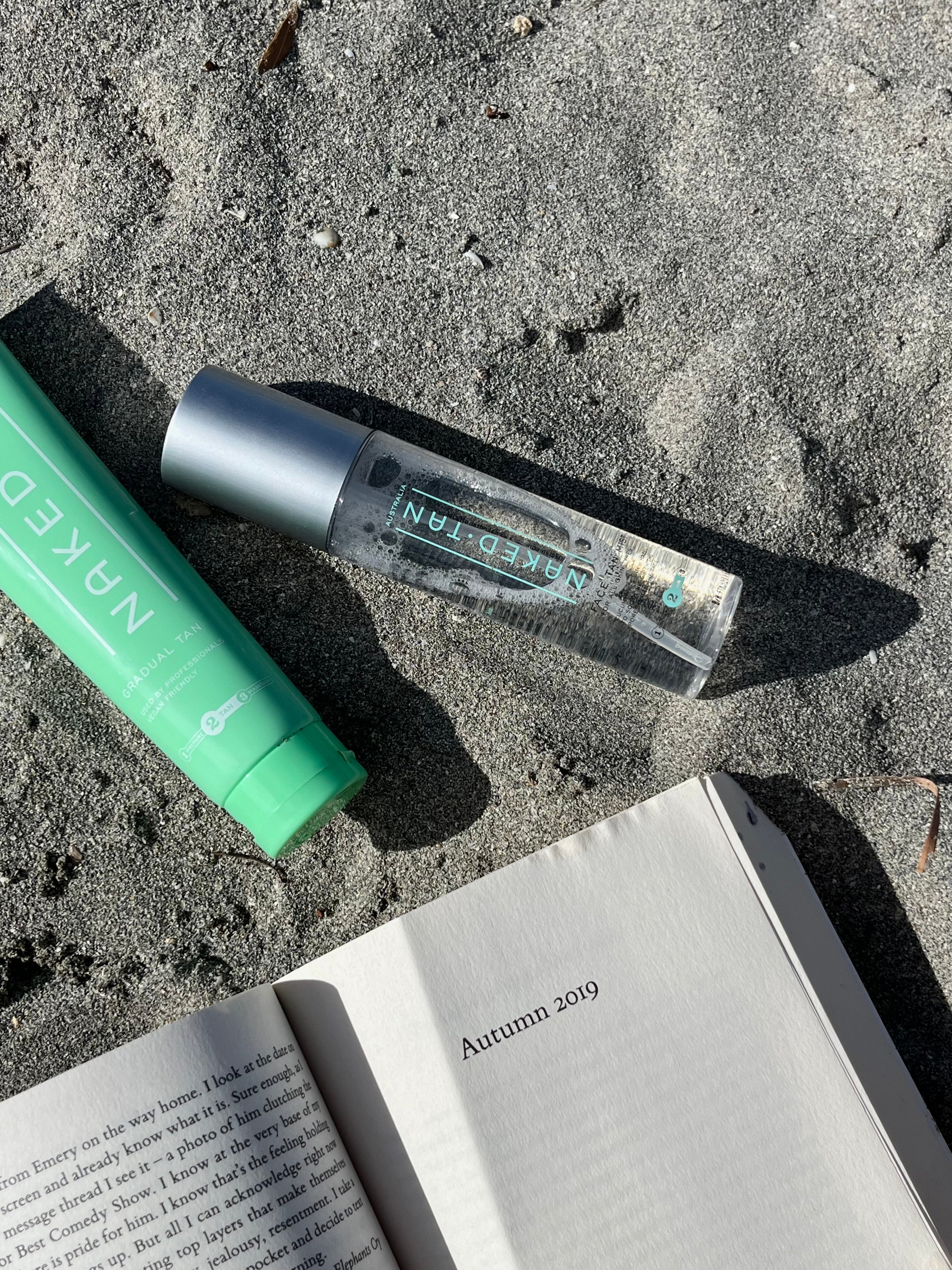
A face tan mist offers a more controlled and skin-conscious way to tan the face.
Compared to traditional self-tan products, a well-formulated face mist is:
-
Lightweight and easy to apply evenly
-
Designed specifically for facial skin
-
Buildable, allowing colour to develop gradually
-
Easy to refresh as needed
Most importantly, the best face tan mists focus on hydrating and calming ingredients, rather than aggressive actives.
Hydration helps the skin hold colour more evenly, while calming ingredients support the skin barrier and reduce the risk of sensitivity. This makes face tan mists far more suitable for regular use, particularly on sensitive or reactive skin.
Why Vitamin C Is Not Always Suitable in Face Tanning Products
Some brands include vitamin C in facial tanning products to promote brightness. While vitamin C can be beneficial in skincare, it is not always ideal in a tanning formula.
Vitamin C can be:
-
Irritating for sensitive or compromised skin
-
Reactive when combined with other actives
-
Drying for some skin types
When paired with tanning agents, vitamin C may increase the likelihood of redness, sensitivity, or uneven fade, particularly for those already using active skincare.
This is why calming, hydrating formulations are often the better choice for facial tanning.
Spray Tans and the Face
With spray tanning, facial tanning should always be optional.
Many people choose:
-
A lighter pass on the face
-
A shorter development time for facial tan
-
No facial spray tan at all, opting instead for a face tan mist
This approach offers greater control and allows the face to be adjusted separately from the body as the tan develops and fades.
Makeup as a Complementary Option
Makeup remains a reliable way to balance face and body colour.
Using bronzer, tinted moisturiser, or foundation allows for:
-
Daily adjustment of colour
-
Easy correction as tan fades
-
Flexibility around skincare routines
For many people, a combination of light facial tanning and makeup delivers the most natural result.
Common Facial Tanning Mistakes
Issues most often arise from:
-
Using body tanning products on the face
-
Applying too much product
-
Reapplying too frequently
-
Ignoring skin sensitivity
Facial tanning should always be lighter, gentler, and more controlled than body tanning.
So, Should You Tan Your Face?
Facial tanning is a personal choice, but for most people, a dedicated face tan mist is the most balanced and skin-friendly option.
It provides subtle, buildable colour while supporting hydration and skin comfort, without interfering with active skincare routines or increasing irritation risk.
The face does not need heavy self-tan to look evenly bronzed.
Choosing a product designed specifically for facial skin, with hydrating and calming ingredients, offers the best balance between colour, skin health, and ease of maintenance. When it comes to facial tanning, control and formulation matter more than depth of colour.


Comments