
Hyaluronic Acid and Fake Tan: The Secret to a Smoother, Longer-Lasting Glow
Hyaluronic Acid and Fake Tan: The Secret to a Smoother, Longer-Lasting Glow
If you love fake tan, you probably already know the golden rules: exfoliate, moisturise and apply evenly. But one skincare ingredient is quickly becoming a game-changer for achieving a flawless glow — hyaluronic acid.
Known for its incredible hydrating properties, hyaluronic acid has become a staple in skincare routines around the world. When added to your tanning routine, it can help create smoother skin, improve tan development and even help your glow last longer.
If you’ve ever struggled with patchy fake tan, uneven fading or dry skin ruining your results, hydration might be the missing step in your routine.
In this guide, we’ll explain how hyaluronic acid works, why it’s so effective for fake tan and exactly how to incorporate it into your tanning routine for your best glow yet.
What Is Hyaluronic Acid?
Hyaluronic acid is a naturally occurring molecule found in the skin that helps retain moisture. In fact, it can hold up to 1,000 times its weight in water, making it one of the most powerful hydrating ingredients used in skincare.
You’ll typically find hyaluronic acid in products such as:
-
facial serums
-
moisturisers
-
hydrating mists
-
body lotions
Its main role is to attract water to the skin and lock it in, helping the skin stay soft, smooth and hydrated.
For tanning lovers, this hydration is incredibly important because well-hydrated skin provides the perfect canvas for fake tan. When your skin is properly moisturised, tanning products apply more smoothly and develop more evenly.
Why Hydration Is Essential for a Flawless Fake Tan
Fake tan works by reacting with amino acids in the outer layer of your skin. This reaction creates the bronzed colour that mimics a natural tan.
However, when skin is dry or uneven, the tanning solution can develop inconsistently. This often results in:
-
darker patches
-
streaks
-
uneven colour
-
faster fading
Hydrated skin allows fake tan to develop evenly across the surface, creating a smoother and more natural result.
When your skin is properly hydrated, you’ll often notice:
-
smoother application
-
more even colour development
-
reduced streaking
-
longer-lasting colour
-
more natural fading
That’s why hydration should always be a key part of your fake tan prep routine.
How Hyaluronic Acid Improves Your Fake Tan Results
Adding hyaluronic acid into your skincare routine can noticeably improve the way your tan looks and lasts.
It Creates a Smoother Canvas
Hyaluronic acid helps soften rough areas and smooth the surface of the skin. This allows tanning mousse to glide on more easily and distribute more evenly.
It Helps Prevent Patchiness
Areas such as elbows, knees and ankles are naturally drier than the rest of the body. Because of this, they tend to absorb more tanning solution and develop darker patches. Hydrated skin helps reduce this problem.
It Helps Your Tan Last Longer
When skin is hydrated, it sheds dead skin cells more evenly. This allows your fake tan to fade gradually rather than becoming blotchy or patchy.
It Enhances Your Glow
Hydrated skin reflects light better, which can make your tan appear more radiant and healthy-looking.
In simple terms, hydration helps your tan look smoother, fresher and more natural.
How to Add Hyaluronic Acid to Your Fake Tan Routine
Incorporating hyaluronic acid into your routine is simple and can make a noticeable difference to your tanning results.
Hydrate Your Skin Daily
Maintaining hydrated skin all the time helps ensure your skin is always ready for tanning. Regular use of hydrating skincare products helps keep the skin barrier healthy and prevents dryness.
Focus on Hydration Before Tanning
In the days leading up to applying fake tan, prioritise hydration. After showering or exfoliating, apply hydrating skincare products to replenish moisture.
This helps prevent dry patches and creates a smoother base for tanning.
Avoid Heavy Oils Right Before Tanning
While hydration is important, thick oils or heavy creams can create a barrier that interferes with how fake tan develops.
On the day you apply your tan, stick to light hydration and avoid heavy skincare products immediately beforehand.
The Perfect Fake Tan Routine for Hydrated Skin
Following the right tanning routine helps ensure your skin is properly prepared for colour and hydration.
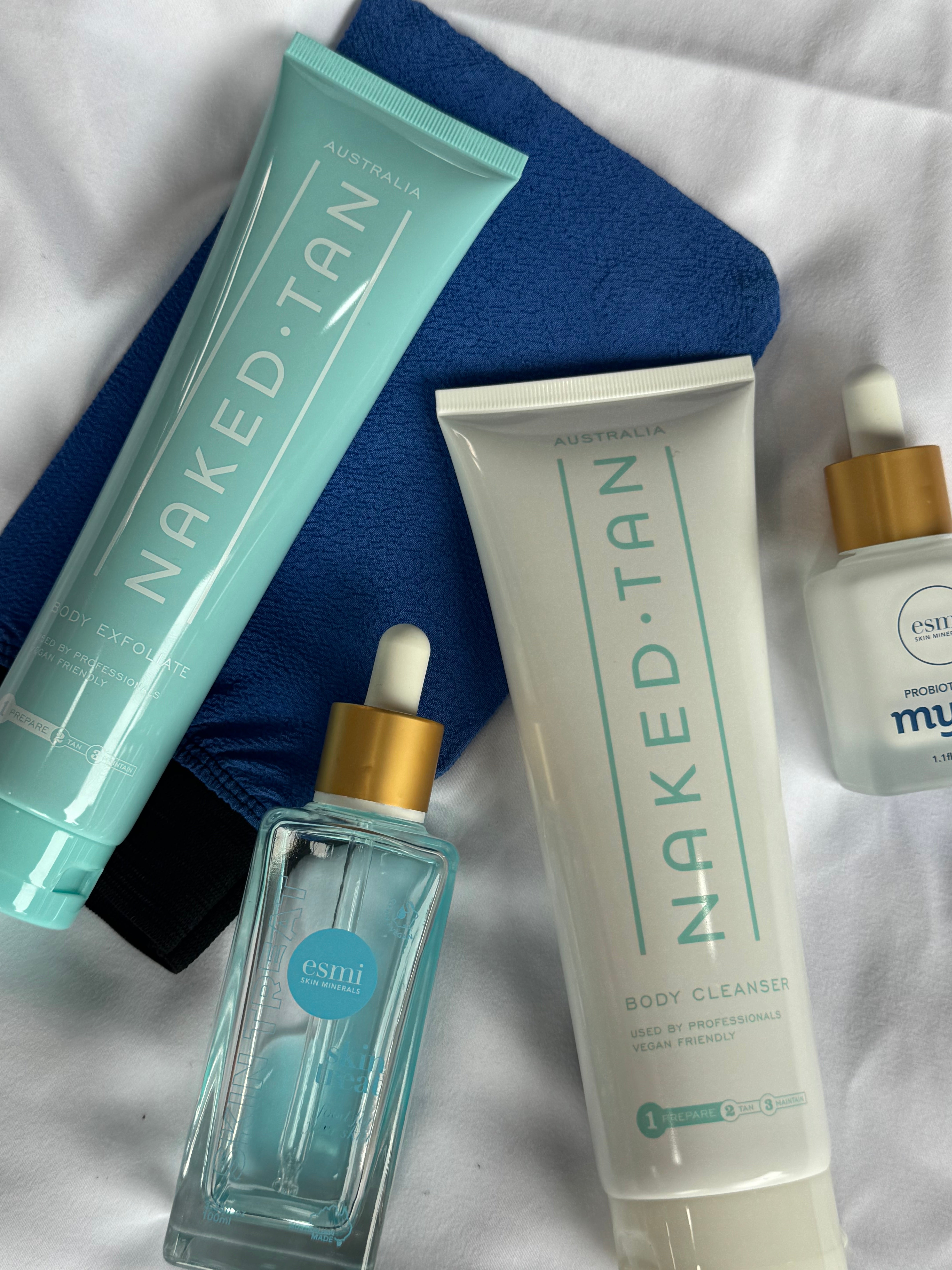
Step 1: Exfoliate
Start by exfoliating your skin to remove dead skin cells. This is one of the most important steps in achieving an even fake tan.
Exfoliation smooths the skin surface and prevents the tan from clinging to dry areas.
Step 2: Hydrate
After exfoliating, restore moisture to your skin with hydrating skincare products. Hydration helps soften the skin and create the ideal canvas for tanning.
Focus on maintaining balanced hydration rather than applying thick creams right before tanning.
Step 3: Apply Your Fake Tan
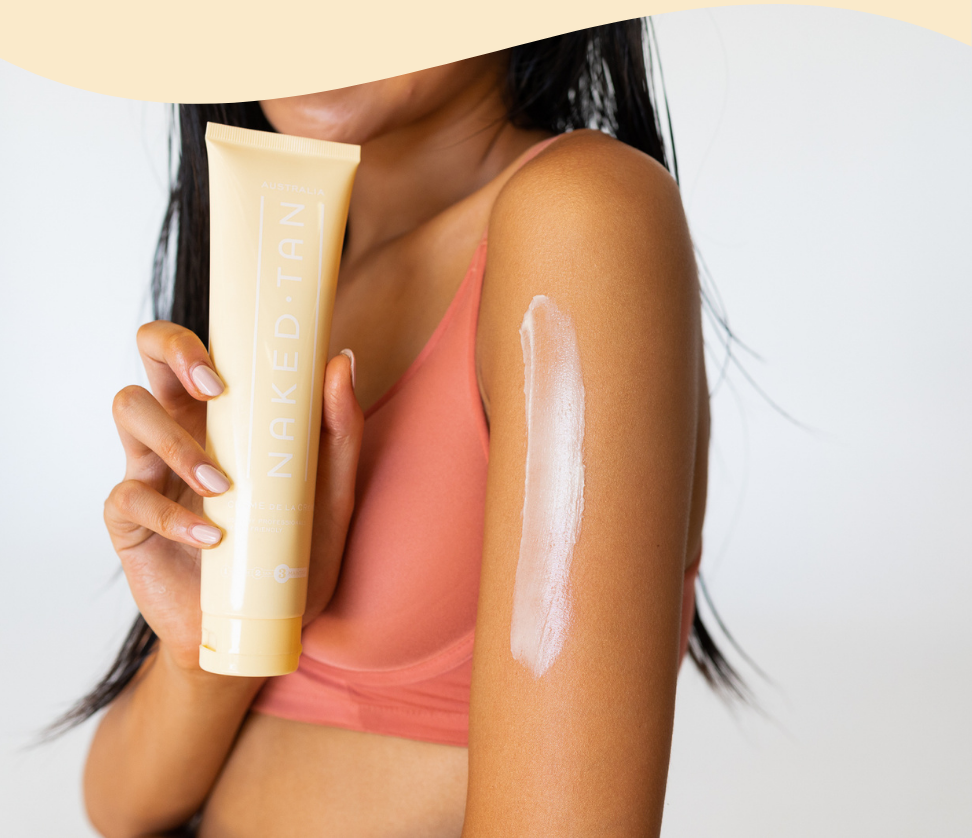
Once your skin is smooth and hydrated, apply your tanning mousse evenly using a tanning mitt.
Choosing the right shade is also important for achieving your desired glow. For example:
-
Medium creates a natural, everyday bronze
-
Dark delivers a deeper glow
-
Ultra Dark gives maximum colour
Applying your tan evenly and allowing it to develop fully will help achieve the best results.
Step 4: Maintain Your Glow
Once your tan has developed, hydration becomes even more important. Keeping the skin moisturised helps prevent dryness and supports even fading.
Using a nourishing moisturiser such as Crème de la Crème helps maintain hydration while keeping your skin soft, smooth and glowing throughout the life of your tan.
Common Fake Tan Problems Caused by Dry Skin
Many common tanning issues are actually caused by dehydration.
Patchy Colour
Dry areas absorb more tanning solution, which can create darker patches and uneven colour.
Streaky Application
When skin texture is uneven, the tanning product may not spread smoothly across the skin.
Uneven Fading
Dry skin tends to shed unevenly, which causes tan to fade in patches rather than gradually.
Keeping your skin hydrated helps prevent these issues and improves overall tanning results.
Other Skincare Ingredients That Support Fake Tan
Hyaluronic acid is one of the best ingredients for hydration, but it works even better when combined with other skin-supporting ingredients.
Look for skincare products containing:
-
glycerin
-
aloe vera
-
ceramides
-
vitamin E
These ingredients help strengthen the skin barrier and lock in moisture, which supports healthy skin and better tanning results.
The Secret to a Long-Lasting Glow
Achieving a flawless fake tan isn’t just about the tanning product itself. The condition of your skin plays a major role in how well the tan develops and how long it lasts.
By incorporating hydration into your routine — especially ingredients like hyaluronic acid — you can create the perfect canvas for tanning.
Well-hydrated skin allows fake tan to apply more smoothly, develop more evenly and fade more naturally.
When you combine the right skincare routine with high-quality tanning products, the result is a smoother application, a more even colour and a glow that lasts longer.
Comments